Data Process Labs
☰
All projects

AI Solutions

AI Research Assistant for Complex Research Tasks

Turn Complex Research Questions into Structured, Evidence-Based Reports

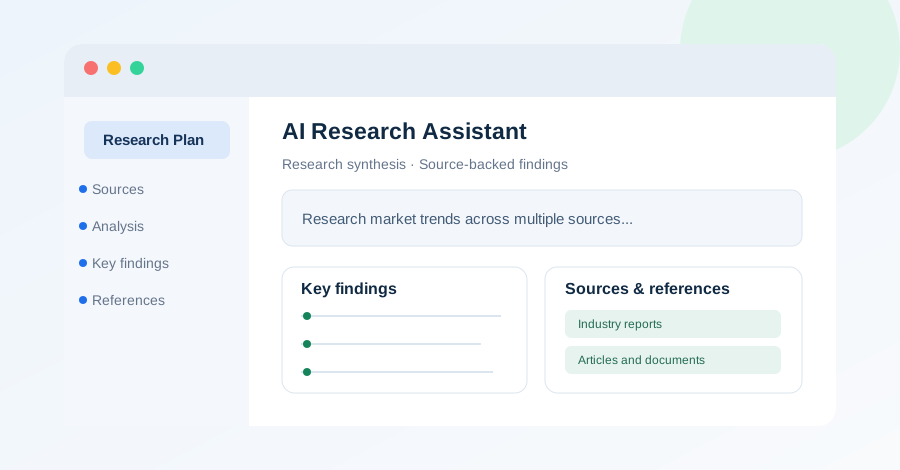
An AI-powered research assistant for automated research that breaks complex questions into focused investigations, researches multiple topics in parallel, checks for missing information, and synthesizes findings into a structured report with source citations.

LlamaIndex WorkflowsOpenAITavilyPython
AI Research Assistant for Complex Research Tasks project visual

The Challenge

Complex research is difficult to manage because it often involves several questions, many sources, and repeated searches to fill information gaps.

Without a structured process, teams risk:

  • Missing important questions or evidence.
  • Spending time pulling scattered findings into a coherent report.
  • Running up research time and AI costs through open-ended searches.
The Approach

The assistant follows a clear research cycle: plan the investigation, research topics in parallel, check for gaps, and bring the findings together. People remain in control of the research plan and source selection.

  • Plan and investigate related topics in parallel.
  • Condense source material into focused notes for later stages.
  • Check coverage and research unanswered questions.
  • Allow people to review the plan and exclude sources.
  • Keep citations attached to findings.
  • Apply limits to research rounds, concurrency, and execution time.

The Solution

The AI Research Assistant coordinates multiple research tasks, evaluates whether the collected information adequately addresses the original question, and combines the findings into a structured report with citations. Human review is available at key decision points, while context management and execution limits help keep the research process focused and controlled.

MarketCompetitors
TechnologyVendors
CustomerNeeds

Parallel Research

Investigates multiple research topics concurrently, then brings the findings together. Parallel work reduces the need to process every topic sequentially.

Relevant passages
Research notes
Raw page content

Smart Context Management

Extracts relevant web content and passes concise research summaries between stages instead of entire pages and conversation histories.

Research findings

Missing information found

Follow-up research needed

Targeted follow-up

Gap Detection

Checks whether findings address the original question and triggers targeted follow-up research when important gaps remain and limits allow.

Review research plan
Compare three vendorsKeep
Check pricing evidenceEdit
Include customer feedbackKeep
Approve plan

Human Review

Lets users edit the research plan and review or exclude sources before the final report is prepared.

Research report

The market is growing, with several factors influencing demand.

Source 01

Industry report · View evidence

Source 02

Company publication · View evidence

Source Citations

Preserves source references in the final report so readers can trace findings back to the underlying material.

Research limits
Research roundsUp to configured limit
Concurrent tasksCapped
Run durationTimeout enabled

Controlled Research Runs

Uses configurable limits on research rounds, concurrency, orchestration steps, and execution time to prevent open-ended investigation.

Research reportReady to review
Executive summary
Key findings
Evidence and citations

Structured Reports

Combines reviewed findings into a single, organized report with citations, ready for further review or editing.

Results

Automate the research workload while keeping people in control of the questions, sources, and final output.

  • Greater research capacity: Analysts can deliver more research with less manual effort.

  • Better research quality: Structured planning and coverage checks help ensure important questions are addressed.

  • Human-controlled automation: Researchers retain control over the research plan, source selection, and final review.

  • Faster answers with traceable evidence: Parallel searches bring findings together sooner, with citations that help teams verify important claims.

Potential Business Applications

The same research approach can be adapted to business processes that require information to be gathered, compared, assessed, and consolidated from multiple sources. These are potential applications of the demonstrated capabilities, not claims that these use cases have already been deployed.

Market and competitor intelligence

Investigate competitors, market segments, product positioning, and industry developments to support strategic planning.

Technology and vendor evaluation

Compare available solutions, capabilities, limitations, integration requirements, and documented product information.

Business opportunity research

Explore emerging opportunities, customer needs, industry changes, and relevant evidence before committing resources.

Industry and trend reports

Investigate related developments across multiple topics and consolidate findings into a structured briefing.

Consulting and advisory research

Support the preparation of evidence-backed reports, comparative assessments, and research summaries.

Internal knowledge investigations

Apply similar planning and synthesis principles to approved internal information sources.

Related Case Studies

Explore other projects with related business or technical patterns.

AI Solutions

AI Website Assistant for Customer Questions

View project

AI Solutions

AI Voice Assistant for Business Calls and Appointments

View project

Have a Similar Challenge?

Tell us about the process, customer experience, or research challenge you want to improve. We can discuss an appropriate approach and practical next steps.